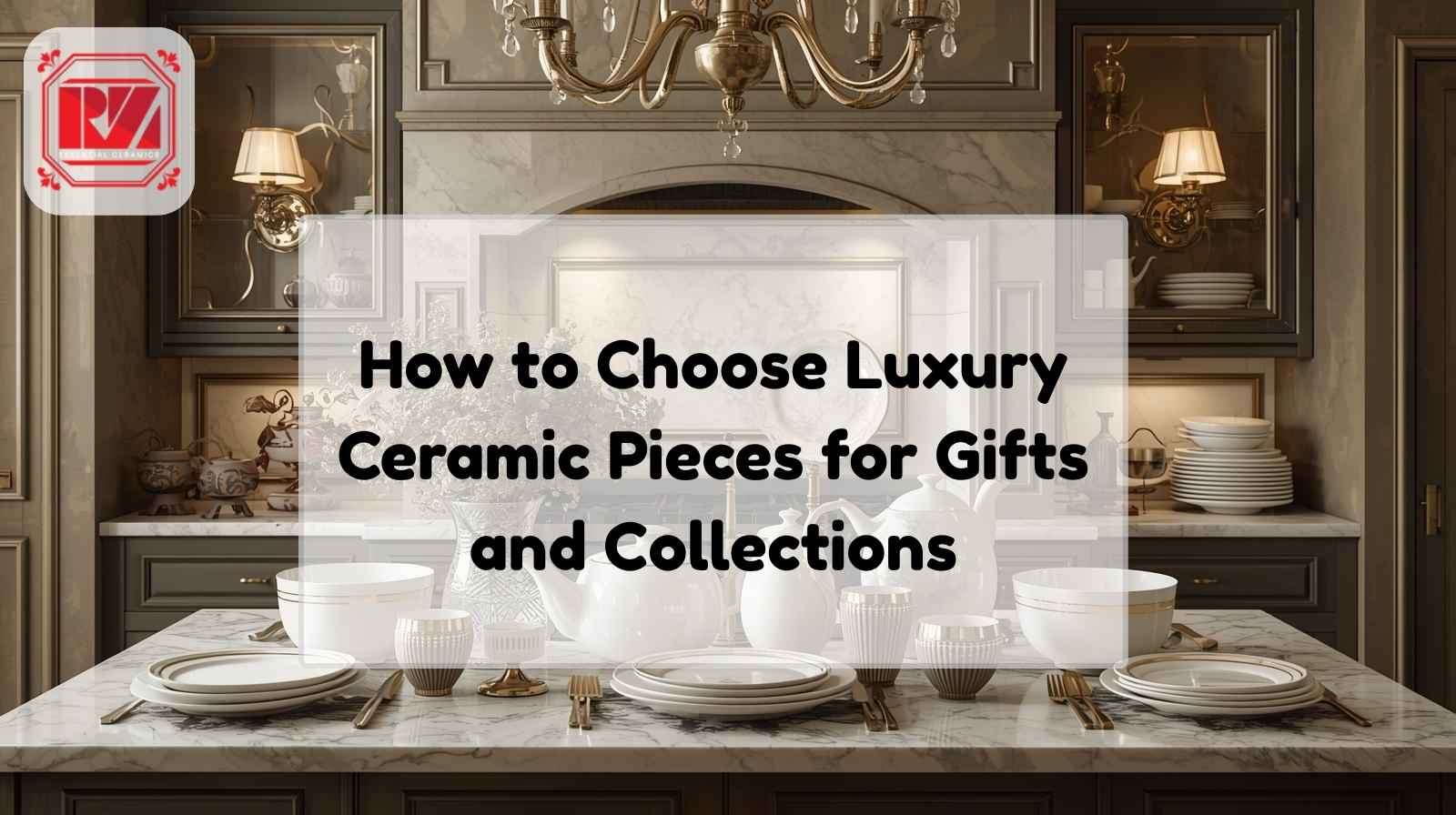
The luxury ceramic pieces are symbols of eternal beauty and art. These sustainable beauties are significant presents and valuable contributions to individual collections. To select the appropriate ceramic items, it is necessary to know the quality criteria, the style, and the practical basis. If it is a gift for a loved one or a special collection, it is always helpful to know what makes ceramics truly luxurious, so purchases are fun and offer a sense of pleasure and satisfaction.
Luxury ceramics are identified with high-quality materials, masterful hands-on skills, and artistic value compared to ordinary pottery. Such works employ excellent clay bodies and are carefully fired. A great number of luxury ceramics feature hand-painted details, complex luster glazes, and new sculptural forms.
View Limited Edition Luxury Ceramics
It refers to such artefacts as fine porcelain, bone china, stoneware, and decorative porcelain bearing the names of famous artisans. It is not just the price that makes it a luxury. The composition of materials, expertise, aesthetic, and brand name make actual luxury ceramics.
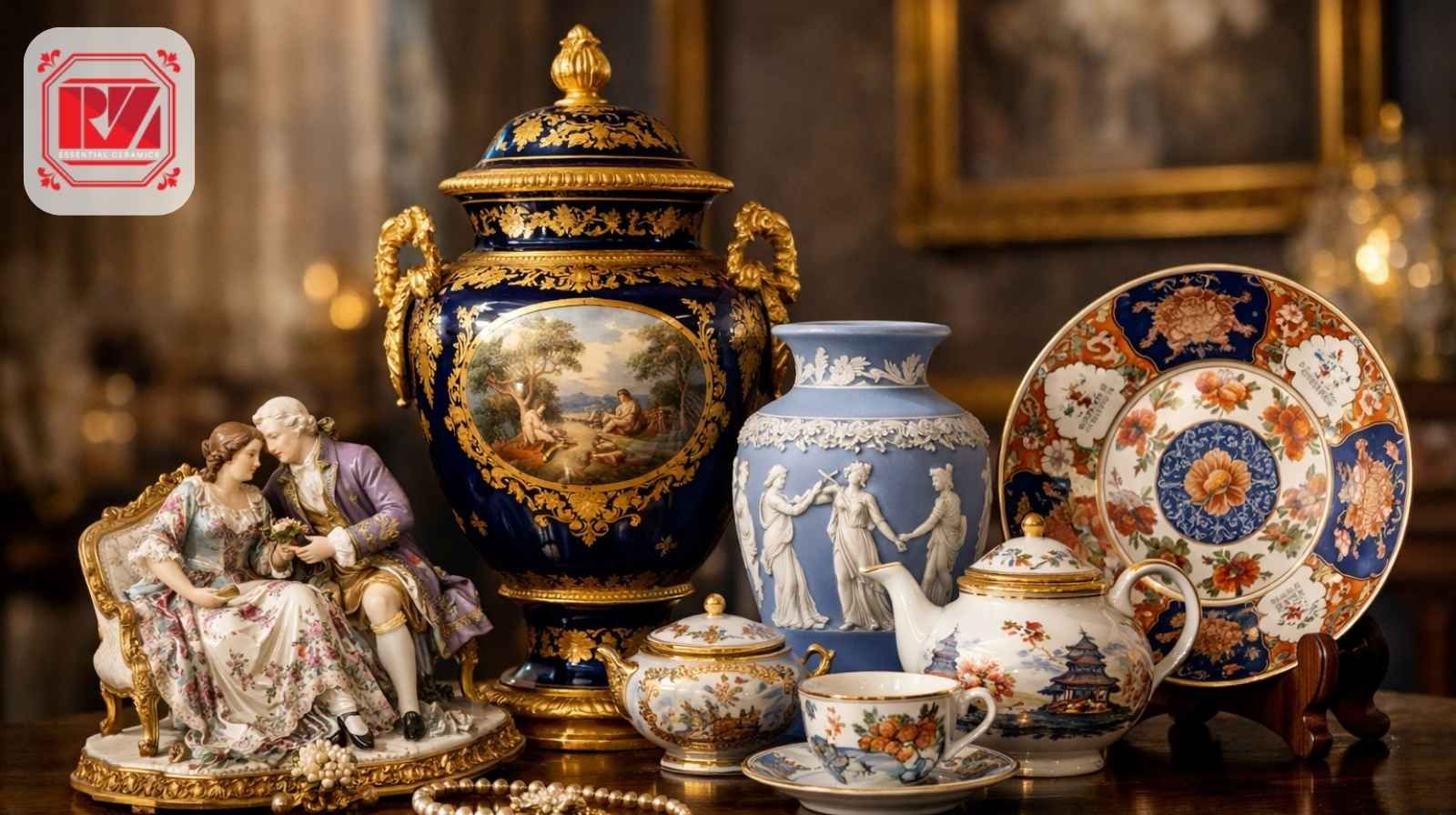
Established producers like Meissen and Wedgwood have centuries of tradition in quality. Their works have both heritage value and quality. The exquisite Japanese makers, such as Noritake and Arita porcelain manufacturers, are based on ancient traditions.
Contemporary ceramic artists also generate luxury. The studio potters and sculptural ceramists produce exclusive pieces at high prices. Familiarity with reputable names in traditional and modern ceramics makes the buying decision.
High ceramics involve high-grade clay that burns to a stable color and texture. The porcelain must be seen to be of pure white or ivory when subjected to light. The body is supposed to be smooth and thick, with no clear defects.
Durability and a product's appeal are influenced by thickness. Thin porcelain may be ironically thin but strong. The clarity of the thin porcelain represents quality materials and master forming. There are, however, certain decorative works in which it is deliberately sculptural to have thicker bodies.
The quality of glaze distinguishes the luxury ceramics from the ordinary ones. Luxury glazes must look smooth, free of bubbles, and free of cracks and irregularities. The surface must feel smooth.
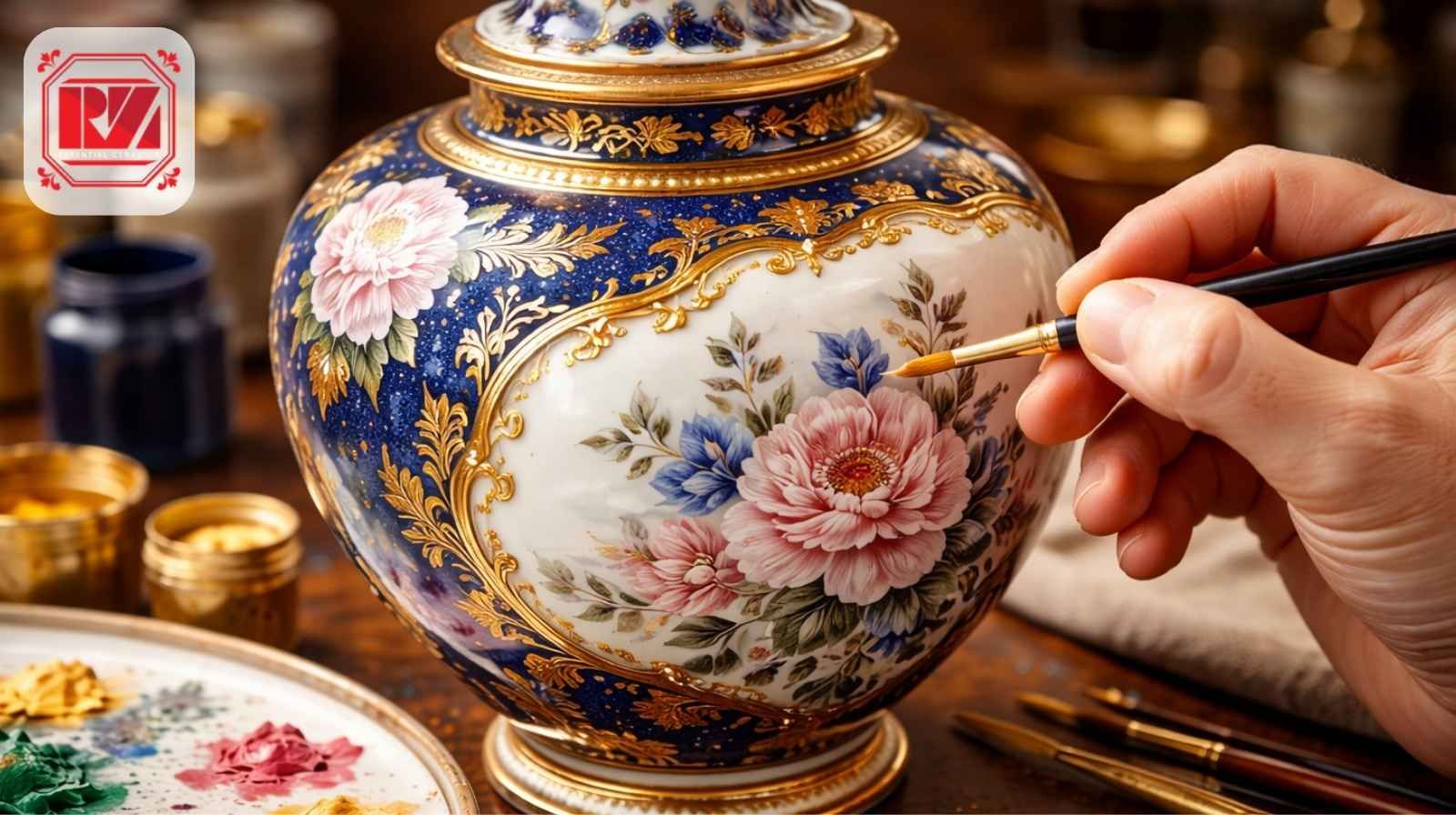
Crystalline glazes, reduction firing effects, and hand-painted lustres are among the special glazing techniques that signal advanced skill. These multi-layered processes involve a skill and generate special visual effects. This is because being aware of the types of glaze helps one appreciate the amount of work involved.
Decoration using hand-painting takes much time and skill. Look at the painted details, which must be sharp and clear. Lines must be clean, and colors must be vivid. Complex painted patterns can require several firings before this can be obtained.
The precious metal accents are not only elegant, but also expensive, smoothly applied and fired, such as gold or platinum. Metals are expected to be smooth and uniform with no holes or roughness. Genuine gold and platinum become more valuable and eye-catching.
Consider the recipient's home decor style before choosing ceramic gifts. Conventional houses are compatible with traditional patterns and forms. The new spaces require new designs with clean lines. It is considerate to balance the gift with the aesthetics that already exist.
Personal interests also influence choices. Tea lovers are fond of exquisite tea cups. Art collectors appreciate sculptural artworks. Practical objects, such as serving dishes, are suitable for individuals who host frequent parties. The ideal gifts are beautiful and relevant to the receiver's life.
Gifts at a wedding may comprise formal dinnerware or ornaments, serving dishes. There should be annual gifts and prizes, including commemorative plates and vases. Gifts at the housewarming may feature bowls or showcase ceramics.
The officiality of the event influences choice. Graceful porcelain is very suitable for elegant events. Studio pottery works on petty celebrations. Because of the occasion's importance, the gift's formality matches it.
Consider the display space in the recipient's home. Big floor vases are used in big rooms. Portable ornaments are better suited to apartments or cluttered areas. Large gifts can cause storage problems.
The display needs are also important. Some ceramics require special lighting or cases. Professionals need new items that can be applied to the existing systems. The gift must add value to the receiver's life rather than make it more difficult.
The beautiful presentation of luxury ceramics is worthwhile. Good packaging secures the item and enhances the gifting experience. Most of the luxury manufacturers offer fancy boxes that can be stored.
Adding information about the piece is valuable. Information on the manufacturer, methodology, or artistic importance informs the recipient. Certificates of provenance are relevant to a limited edition or collectible work.
Effective collections are usually theme-based. Others are seeking particular makers or time intervals. Some gather a specific type of form, such as vases or figurines. Thematic collecting forms unity and simplifies decision-making in acquisition.
Novice collectors need to experiment with different styles and do not need to settle on an area of interest. Personal preferences are shown through exhibitions and visits to galleries. Having a clear focus is a natural process grounded in exposure and learning.
Some of the ceramics are worth more over time. Rare productions by valued manufacturers, historically important works, and creations by famous artists tend to appreciate. But gathering to invest is not always fruitful.
The majority of collecting hobbyists must think more about having fun than about profit potential. Buying items that bring happiness will ensure contentment despite market changes. Appreciation of values becomes a bonus instead of the main objective.
Luxury ceramics have marks, signatures, or stamps of their makers proving authenticity. Learn how to identify authentic marks of interest. It is possible to find the authentic pieces with the help of reference books and online databases.
Provenance documentation tracks the history of ownership and authenticity. Provenance information is generally provided for pieces that come from reputable galleries or auction houses. This information is more valuable for valuable or rare objects.
Mint condition goods attract the highest prices, yet they can be burdensome on the budget. Few flaws tolerated in older works prove to be problematic in modern work. It is possible to determine the condition expectations for various types of ceramics, avoiding overpaying for damaged objects.
Value is a factor influenced by restoration. Professional restoration may go unseen, but its verbal communication is always needed. Some collectors recognize restored pieces, while others demand originality. Startling personal criteria inform a buying decision.
Ceramics should not have to be placed in traffic. Display cabinets are resistant to dust and other forms of damage. The right lighting not only prevents heat damage but also enhances it. Ultraviolet rays can wash away painted decoration.
A visual effect is created by combining similar pieces. But overcrowding takes out personal effect. Every artwork requires a lot of space to be admired. There are rotating exhibits to keep the collections fresh and thus avoid viewer fatigue.
Light dusting using a soft brush does not lead to accumulation that will scratch. Do not clean luxury items in the dishwashers since the hot water and harsh chemicals destroy surfaces.
Gold or platinum-adorned pieces must be given special attention. Such metals may lose out to vigorous cleaning. Washing of hands using soft cloths safeguards sensitive decorations. Good treatment will ensure generations of beauty.
The presence of valuable collections is worth insuring. Claimed damages are made easier through detailed photographs and descriptions. Professional appraisals create value for estate planning and insurance.
Purchases are recorded by keeping purchase receipts, certificates, and condition reports, which have all-inclusive documentation. The information is evidence of ownership and authenticity. The system will take the pain out of insurance, sales, or inheritance by keeping all records in order.
The galleries and antique shops in existence will have approved collections and, without doubt, authentic items. Such places offer experience, and they usually appreciate returns. Establishing contacts with reliable suppliers opens the doors to exclusive works.
There are also auction houses that sell rare and valuable items, but business owners need to know more to navigate them successfully. Online markets multiply possibilities and the potential for forgery. The risks of online shopping can be reduced by buying products from trusted vendors with reputable products.
Ceramic artists selling their products directly at the studio sales or craft workshops eliminate intermediaries. This style is appropriate to attract modern work consumers. The encounter with makers offers ideas of techniques and artistic purposes.
Luxury ceramics are sold at a discount during special promotions and sales. Inventory is cleaned up at the end-of-season sales at galleries. Estate sales occasionally feature valuable items priced below the market average. Timing is great when it comes to patient buyers making excellent deals.
Nevertheless, it is a risk to wait until sales to lose unique pieces. Unique products sell quickly at retail prices. There is a need to balance bargain hunting with taking advantage of special opportunities when they arise.
Setting money goals helps avoid unnecessary expenditure and focus searches. Luxury ceramics are affordable, as they fall within a price bracket of hundreds to thousands of dollars. The budget figures must be considered in light of the financial ability and relevance.
It is more agreeable to save up for a special purchase than to buy mediocre ones at whim and fancy. An object of great value makes one happier than having many lesser-quality items. Quality over quantity is especially true in luxury collecting.
Knowledge of Western ceramic history can enhance the process of selecting gifts. The various cultures had their own styles and methods.
Appreciation is enhanced by knowledge of historical contexts. Being aware of period styles and the techniques used is a way to discover authentic works. This learning makes the process of gathering more of a cultural activity instead of acquisition.
Contemporary ceramic artists stretch conventional limits with novel, creative style and vision. Sculptural ceramics strive to merge craft and fine art. Knowledge of modern trends helps collectors spot new talent.
Exhibitions and publications of ceramic art trends keep the collectors updated. Buying the work of prospective stars early is a rewarding investment. Modern-day collecting supports living artists and advances ceramic art.
Selecting luxury ceramic pieces is a thoughtful process that requires balancing quality assessment, personal style preferences, and functional value. Buyers should understand craftsmanship indicators, study different makers and design styles, and carefully inspect the condition of each piece. This informed approach helps identify ceramics that offer lasting value, durability, and aesthetic appeal worthy of investment.
Luxury ceramic pieces range from several hundred to tens of thousands of dollars. Small decorative items from established makers start at around $200 to $500. Significant pieces, limited editions, or antiques command higher prices. Set budgets based on purpose and significance.
Many luxury ceramics are fully functional and intended for use. Fine porcelain dinnerware serves beautifully at special occasions. However, museum-quality or extremely valuable pieces merit display-only treatment. Consider replacement difficulty and monetary value when deciding.
Handmade ceramics exhibit slight variations and irregularities absent in mass-produced ceramics. Look for hand-painted details, unique glazing, and artist signatures. Perfectly uniform pieces were likely used in industrial methods. Maker documentation should specify production methods.
Sets work well for functional items like dinnerware, where coordinated pieces matter. Individual statement pieces are better suited for decorative purposes. Consider recipient preferences and how the gift will be used. Single exceptional pieces often make more meaningful gifts than mediocre sets.
A salad bowl should do three things flawlessly:
READ FULL