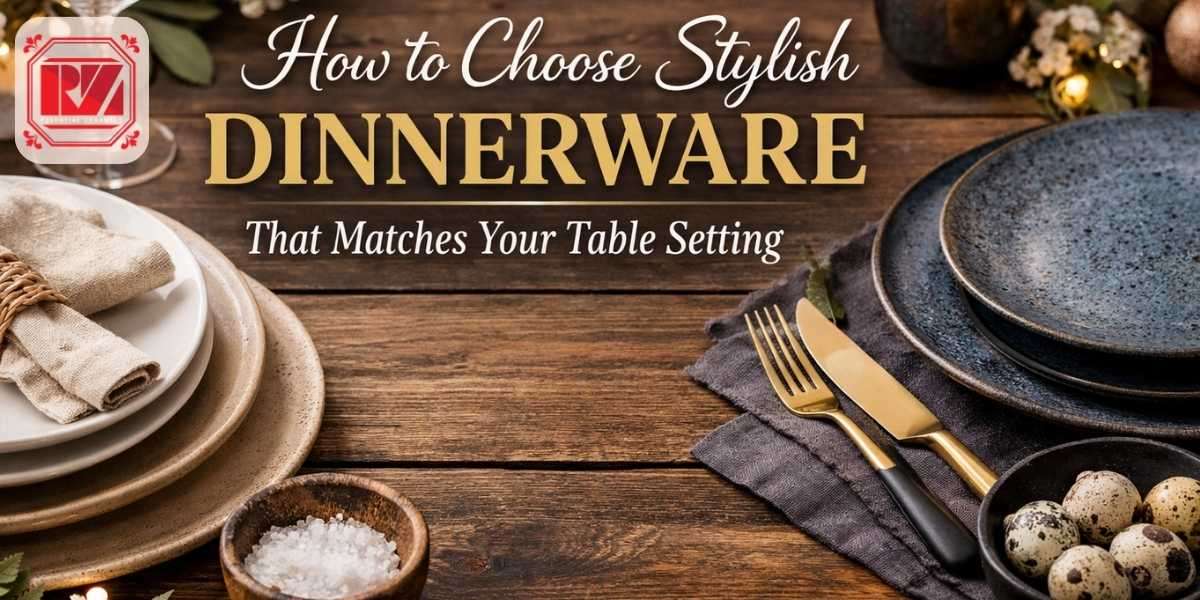
For hosts who entertain regularly having dinner parties, holiday feasts, those longholiday-to-new-year hosting streaks your dinnerware is not a background prop. It commands the room. It declares intention. It either elevates the meal or sabotages the mood. In this blog we are going to discuss how to get a dinnerware that make ever party a hit and transforms you as everyone’s favorite host.
Look at your table and analyze every aspect of it. Is it dark reclaimed wood? Polished glass? Painted farmhouse white? Each surface gives you a palette and a personality. Warm wood blends with warm tones and textured clay. Glass tables deliver a modern minimalist style and high-contrast color. Painted finishes can carry bold patterns. The table sets the rules. You don’t break them. You work within them and win.
Source premium dinnerware at factory prices
Size matters. Plate diameter that eats your placemat looks ungainly. Too-small plates make portions look lost. Utilizing table space matters a lot. Some quick tips on how plate shapes utilize table space for maximum appeal are following:
• large round plates soften harsh lines on angular tables.
• Square plates sharpen a minimalist, modern table.
• Narrow rims give a formal vibe. Wide rims are more suitable for casual setting.
Plate layout is also important. Not only does it make the table setting feel neat but makes serving easier. Dinner plate. Salad plate. Bowl. Each piece needs breathing room. Leave three fingers between plate edge and tabletop edge. That gap keeps everything organized and service hassle-free.
Tableware material decides durability, and creates an ambiance. Choose carefully if you want your event to go smoothly and delight the guests with a particular atmosphere.
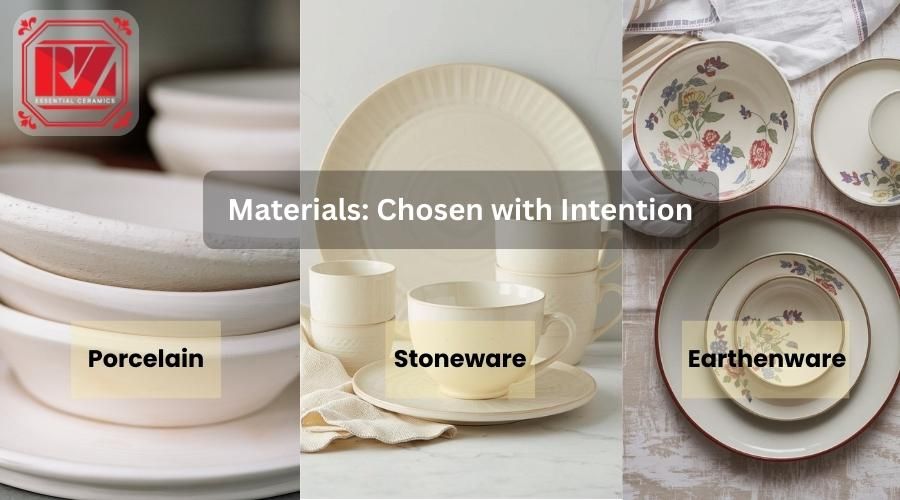
Porcelain
Porcelain and bone China: they look refined. They are great for formal dining. Porcelain hides little so stains will show during dining and the table will start to feel untidy. Bone China is translucent and delicate. Use them when you want to impress. But be careful as these materials need to be handled with care.
Stoneware
Stoneware and reactive-glaze ceramics have aaw, tactile, earthy. They bring warmth, an artistic touch to the entire dining experience. They are best fit for long dinners that end with coffee and conversation.
Earthenware
Earthenware and terracotta have a rustic appearance which makes them well-suited for intimate, communal meals. Use them when you want a unique appeal and want to make a dinner memorable. Regarding service hassles these materials do not stack as neatly so service speed may be affected.
Melamine and modern composite: unbreakable and splendid for outdoor settings. Or for large, casual gatherings where guests need to enjoy and laugh more. They can be trendy as they are brightly colored.
Consider care requirements as well. Dishwasher-safe? Microwave? Oven-safe for finishing dishes? These are not optional questions. They are non-negotiable logistics. And a beautiful plate you can’t use fast will collect dust.
Color and finish set the mood of the table.
White: this color is classic and never goes out of style. It works with everything and photographs well. But white alone can feel safe. Use it as your base if you entertain many different styles of guests and menus. White makes food the star. It also makes serving spills obvious. Chips and cracks are immediately visible and this means that the plate and serving needs to be flawless
Neutrals hues: creams, warm grays, muted greens are the main options. They’re appear sophisticated and ground a room without wresting attention from what’s on the plate.
Bold color: as a host if you want to be flamboyant then choosing bold colors is an excellent decision. These can be deep navy, mustard, and forest green. Use a bold base when you want to make a distinctive statement. Balance them with neutral linens.
Patterns: Keep in mind two rules:
• limit patterns to a primary and a secondary.
• Never let patterns fight for dominance. Patterned salad plates or dessert plates paired with solid dinner plates is low-risk, high-style. If a tablecloth is patterned, scale back the plate pattern. If your centerpiece is busy, simplify plates.
Finish: matte feels modern and tactile. Gloss reads formal and bright. Reactive glazes give movement and depth. They make every plate feel like a small performance. Pick the finish that amplifies your dinner’s mood.
Metallic rims: Gold or copper rims add ceremony. But read the care label: many metallic-trimmed plates are not dishwasher-safe. Treat them like guests with fragile egos.
Mixing is a skill. It’s not accidental thrift-store chaos. You mix with constraints. Constraints create style.
Start with one unifying element. Color. Material. Texture. That element holds everything together. Then introduce contrast. Large solid dinner plates paired with smaller patterned salad plates. Matte dinner plates softened by glossy bowls. Stoneware with porcelain accents. Never more than three visual motifs at once. Three is resolve. More than three becomes noise.
Think in families. One family is your base set: plates and bowls you use most. The second family is your accent set: patterned or colored pieces you bring out for dinners or holidays. The third is functional: serving platters and specialty pieces. Keep their tones related. A navy patterned accent plate will feel coherent if the base set has a cool undertone.
Mixing for a big holiday? Pick one strong color or texture and let it echo through place cards, napkin rings, and a single accent plate. That repetition creates a thread. It’s cohesive. It reads intentional.
For weekend hosting and long events, prioritize durability. Stoneware and modern porcelain often balance toughness and beauty. For holiday dinners where you want to make an impression, use your finer China. But don’t stage an entire evening around delicate tableware only. Also utilize more practical pieces as well.
Dishwasher-safe sets are absolutely crucial. And if your party will involve reheating the dishes need to be oven and microwave-friendly. Metallic trimmed plates are not compatible with machine washing so avoid them.
Take a strategic approach to budgeting. Spend on the base items: good dinner plates, solid bowls, sturdy serving pieces. But save or rotate on trend-driven, seasonal styles. Buy two or three extras of your most-used pieces.
Storage matters. Stack with felt mats or soft plates between. Store serving platters vertically to avoid chips. Organization keeps your dinnerware ready, not fragile.
You don’t need a new full set for every season. No need for that kind of overspending. Instead, use plate accents intelligently. Patterned salad plates for spring. Bright melamine for summer and dark stoneware for cozy autumn nights.
Adopt a single seasonal theme each time. Combine a color a texture and a ccenterpiece material for making a theme. Swap small elements. Napkins. Placemats if you want to break the monotony.
For occasions and events commit to one signature element. For Thanksgiving, let earthen tones and a centerpiece of dried florals become the core theme. For Christmas, metallics blended with deep greens is a superb choice. Keep the plates as a quiet stage.
Read this blog Best Salad Bowls for Professional Use
• Measure your table dimensions
• Visualize a place setting that leaves room to breathe.
• Count the guests you will realistically host. Buy for the crowd you plan on entertaining.
• Start with a reliable base set that can withstand frequent use.
• Add one accent set for festive occasions.
• Verify care instructions of the dinnerware before finalizing the purchase.
• Purchase extras: two additional dinner plates, one extra serving bowl.
• Oversized plates dominate the table choose balanced sizing
• Too many patterns overwhelm keep designs simple and clean
• Ignoring care labels ruins sets check washing instructions first
• Trend only purchases disappoint buy what matches your taste
• Poor planning affects table harmony prioritize comfort and space
• Complicated designs distract guests allow the eyes to relax
• Dishwasher damage occurs easily select durable safe materials
• Short lived trends waste money focus on timeless styles
Section of tableware should be done with complete clarity. Pick a base that withstands use and is versatile enough to be used on multiple hosting event ranging from small too big. Invest where durability meets daily utility. But for stylish appeal use the accent plates to surprise the gathering. Mix with rules, and then host with confidence. The table will respond. Your guests will notice. They will feel the intention before the first toast. And that is the true point of stylish dinnerware.
The ideal number depends on how often you entertain and the size of your household. For regular family meals and small gatherings, four to six settings work well. If you host guests frequently, eight or more gives flexibility. Keep extra plates and bowls for replacements.
Yes, mixing materials can create a stylish and layered table when done thoughtfully. Maintain one consistent element such as color, finish, or texture to tie everything together. Let one material dominate while the other complements it for a balanced and cohesive look.
Dark wood pairs beautifully with warm earthy tones, soft neutrals, or classic white dinnerware. These shades create contrast and highlight the food presentation. Avoid very small or busy patterns that disappear into the background. Choose solid or bold designs with visual weight.
Metallic rimmed plates add elegance and are perfect for formal dinners, celebrations, or festive events. However, they require gentle care and are often not dishwasher or microwave safe. Hand wash them carefully and reserve for special moments to extend their lifespan.
Contact our sales team for bulk order!
A salad bowl should do three things flawlessly:
READ FULLMany kitchens obsess
READ FULL